
SWansea, wales
Biophilic Cities Partner City Since 2026
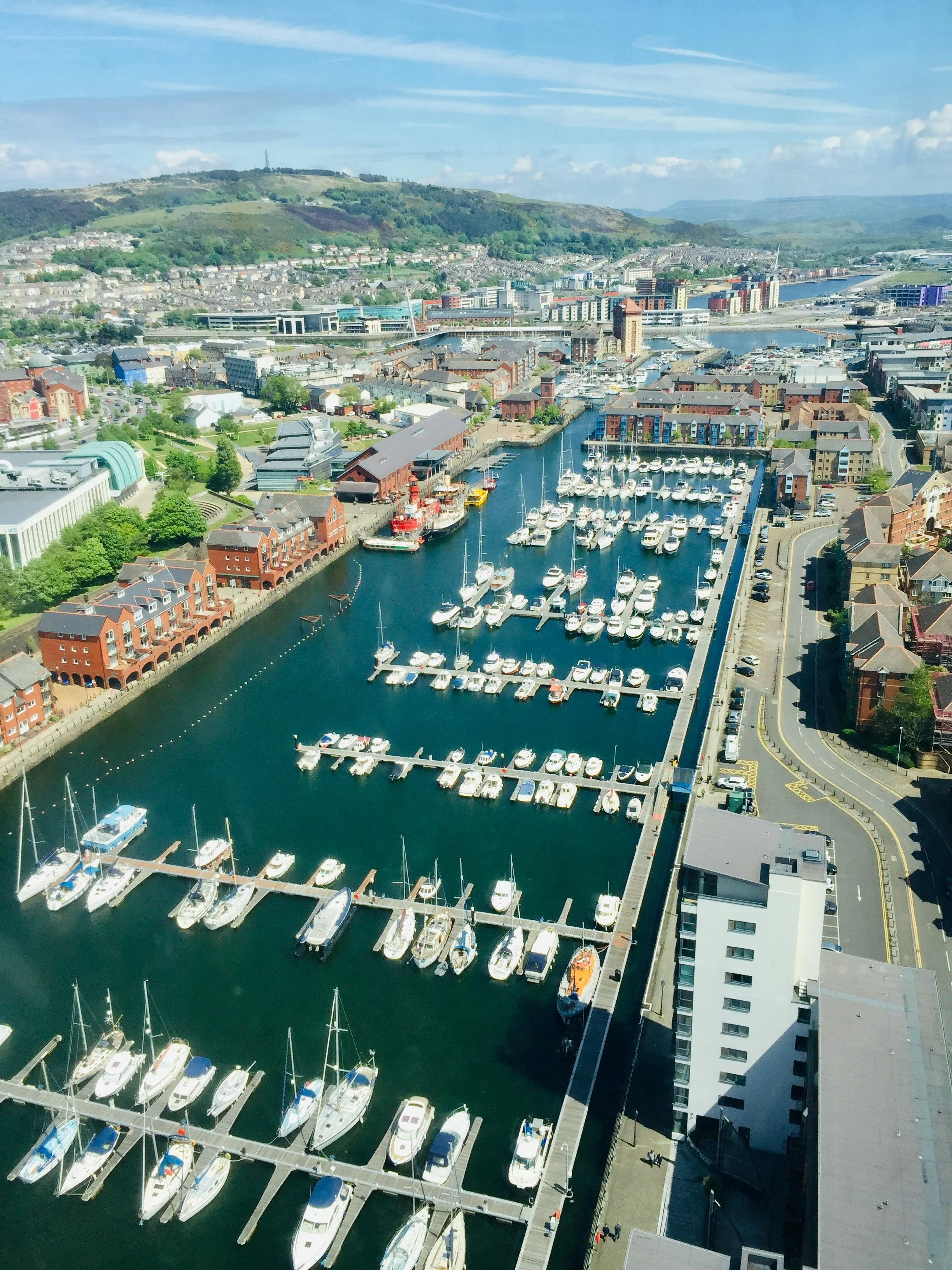
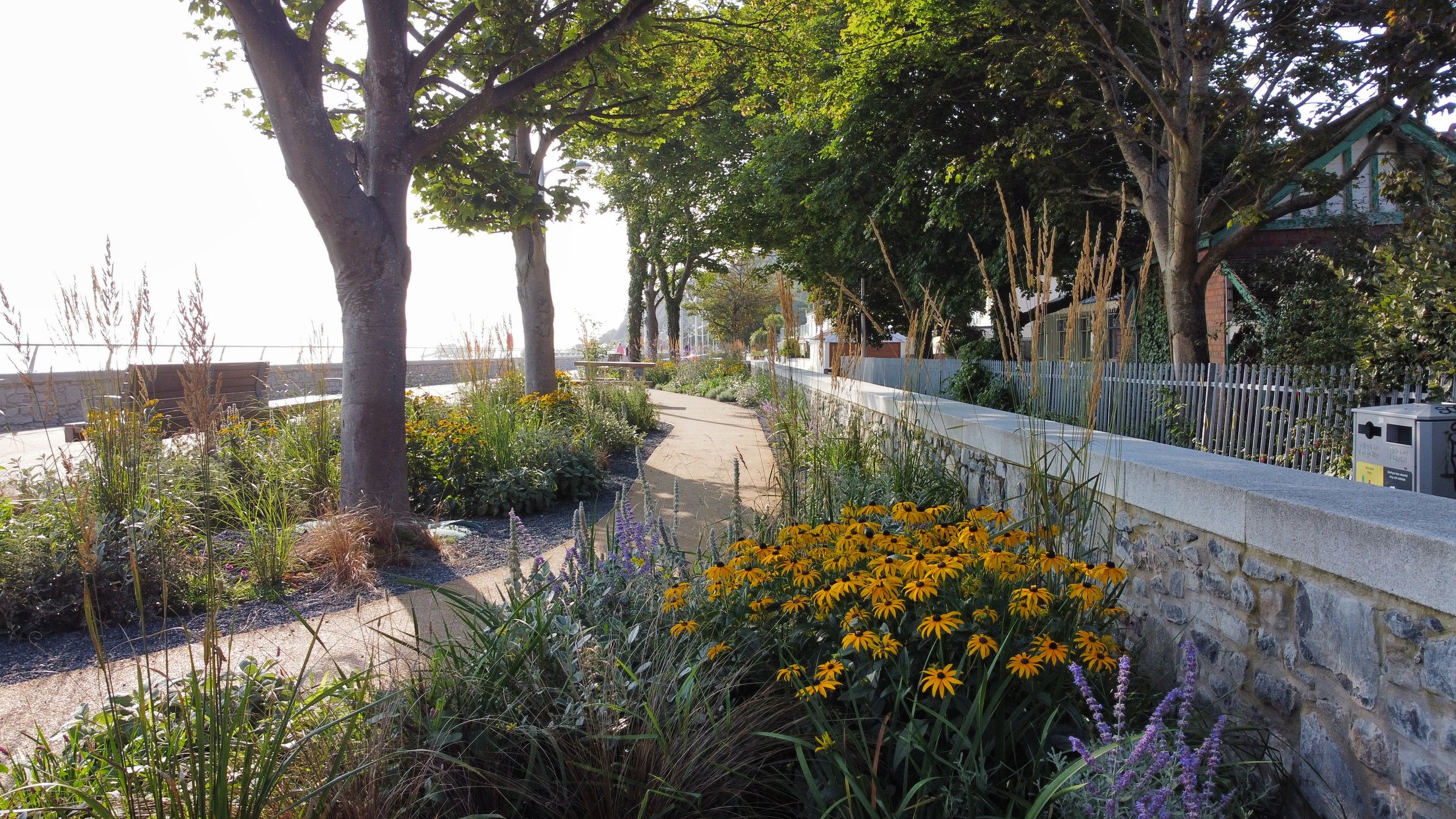
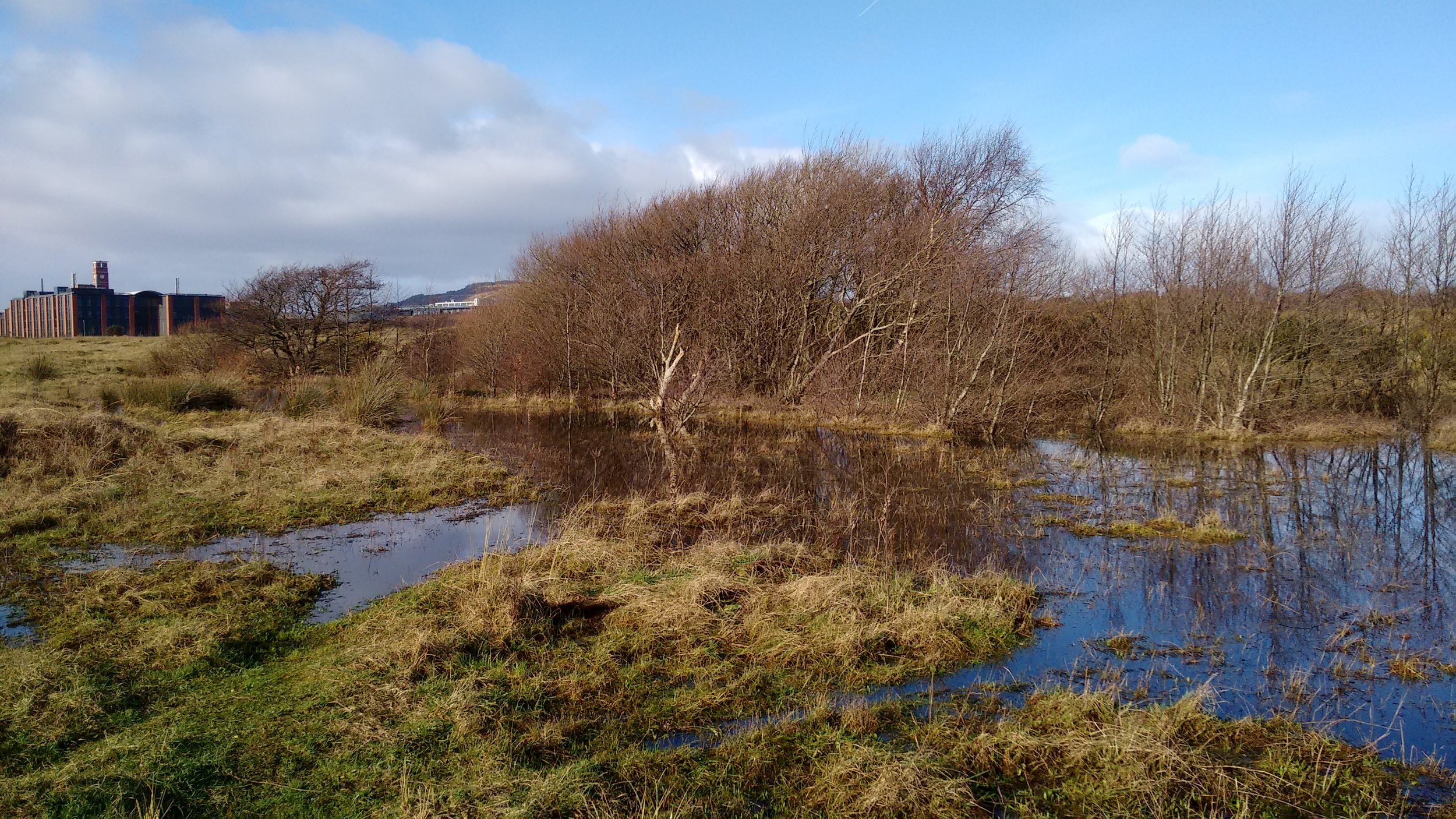
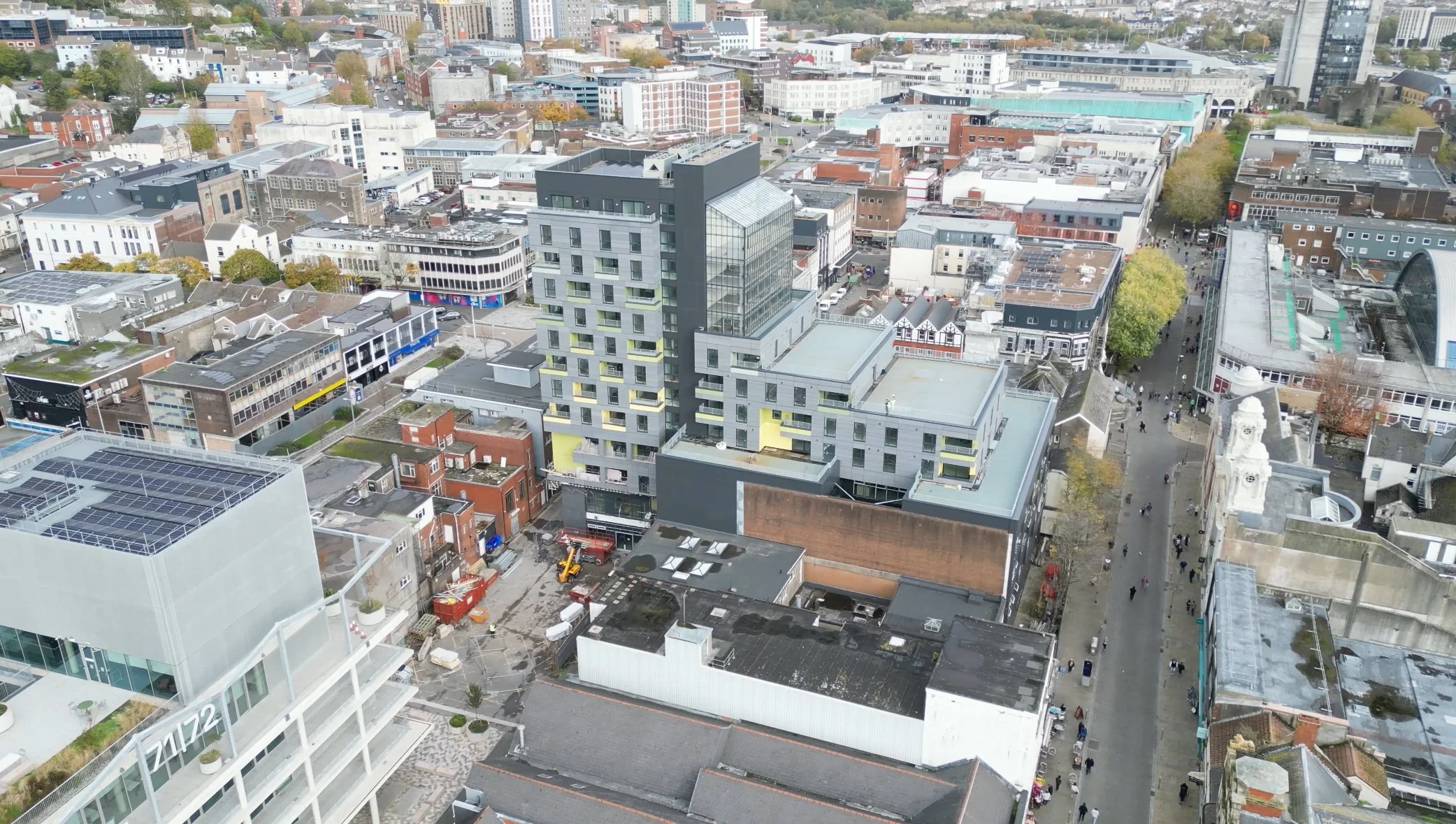
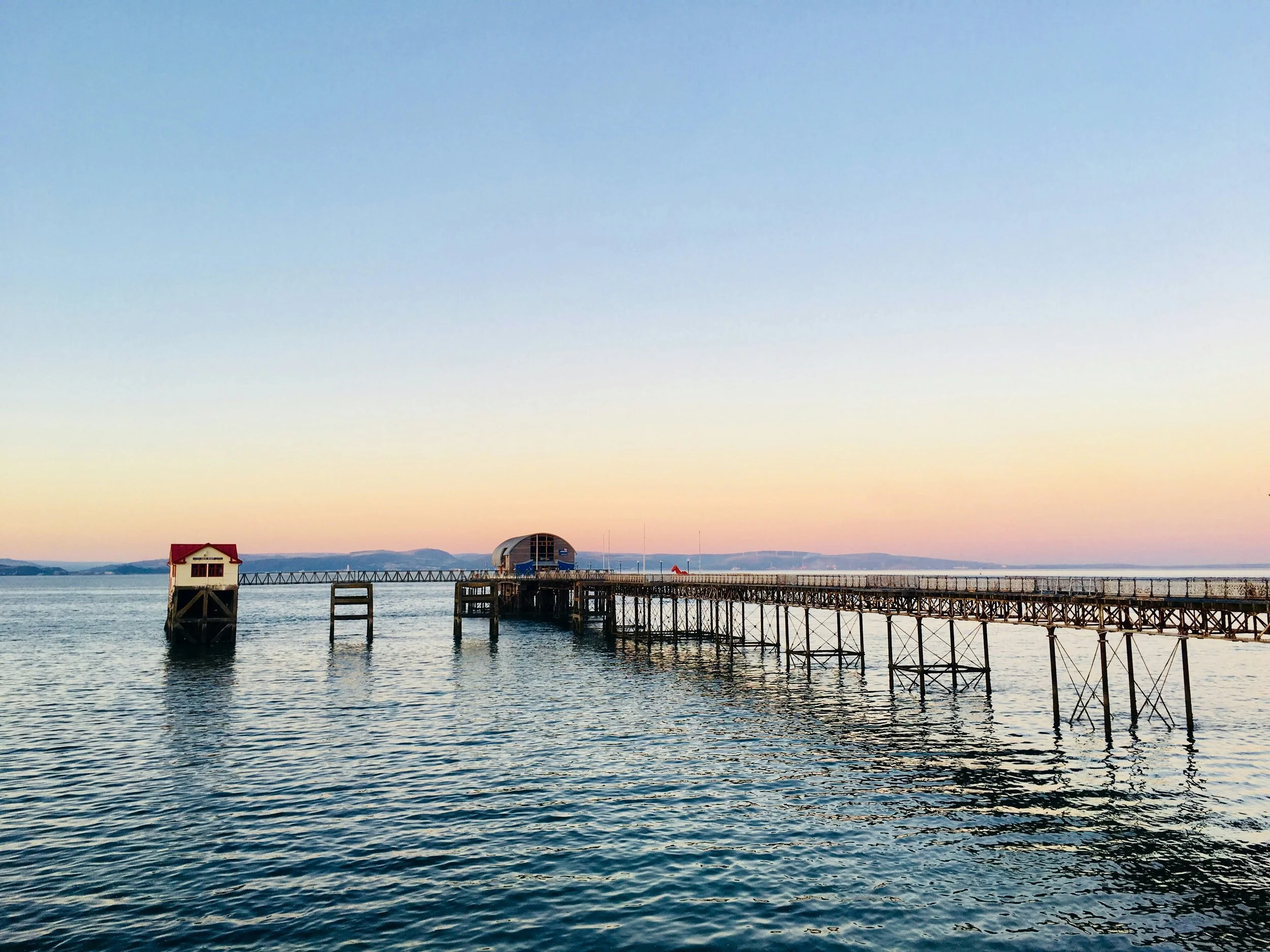
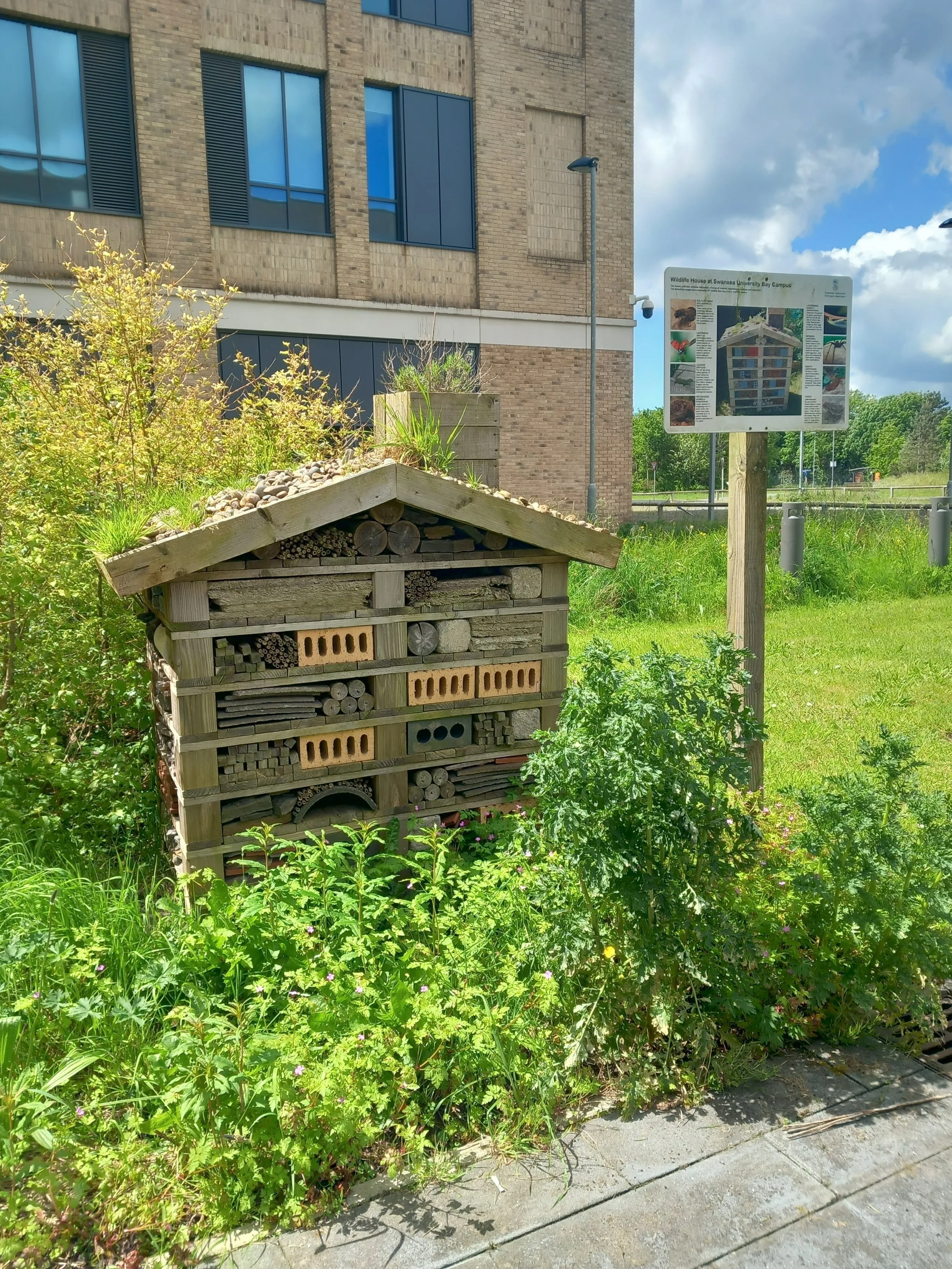
Swansea, located on the south coast of Wales, is a city defined by its connection between urban life and the natural environment. The county boasts diverse landscapes, from upland moorland and wetlands to river valleys, woodlands and the internationally recognised Gower coastline. Much of its land remains natural or semi-natural, forming the foundation of Swansea’s commitment to biophilic urban development.
Building on its transition from an industrial centre to a regenerating green city, Swansea combines ecological recovery with urban regeneration. Swansea Council, Natural Resources Wales, Swansea University, and local community partners collaborate to address climate impacts and biodiversity loss through nature-based solutions that improve flood resilience, air quality, nature recovery, ecological connectivity, and public wellbeing.
Across the city and county, initiatives take an ecological landscape-scale approach to green infrastructure, increasing the availability and quality of green spaces and nature-based solutions across urban and suburban areas. The aim is to create nature-rich neighbourhoods, strengthen connections between city and coast, and support the development of local skills, knowledge, and a thriving green infrastructure economy.
City Contacts: Prof. Geoff Proffitt, Emeritus Professor (Biosciences) – g.proffitt@swansea.ac.uk
project spotlights
Swansea Central Area: Regenerating the City for Wellbeing and Wildlife
Swansea’s city centre green infrastructure strategy, developed by Swansea Council and Natural Resources Wales, focuses on adapting the urban environment to climate change while increasing biodiversity and creating resilient urban ecosystems. The strategy supports Swansea’s wider Net Zero and nature recovery ambitions.
Key projects include:
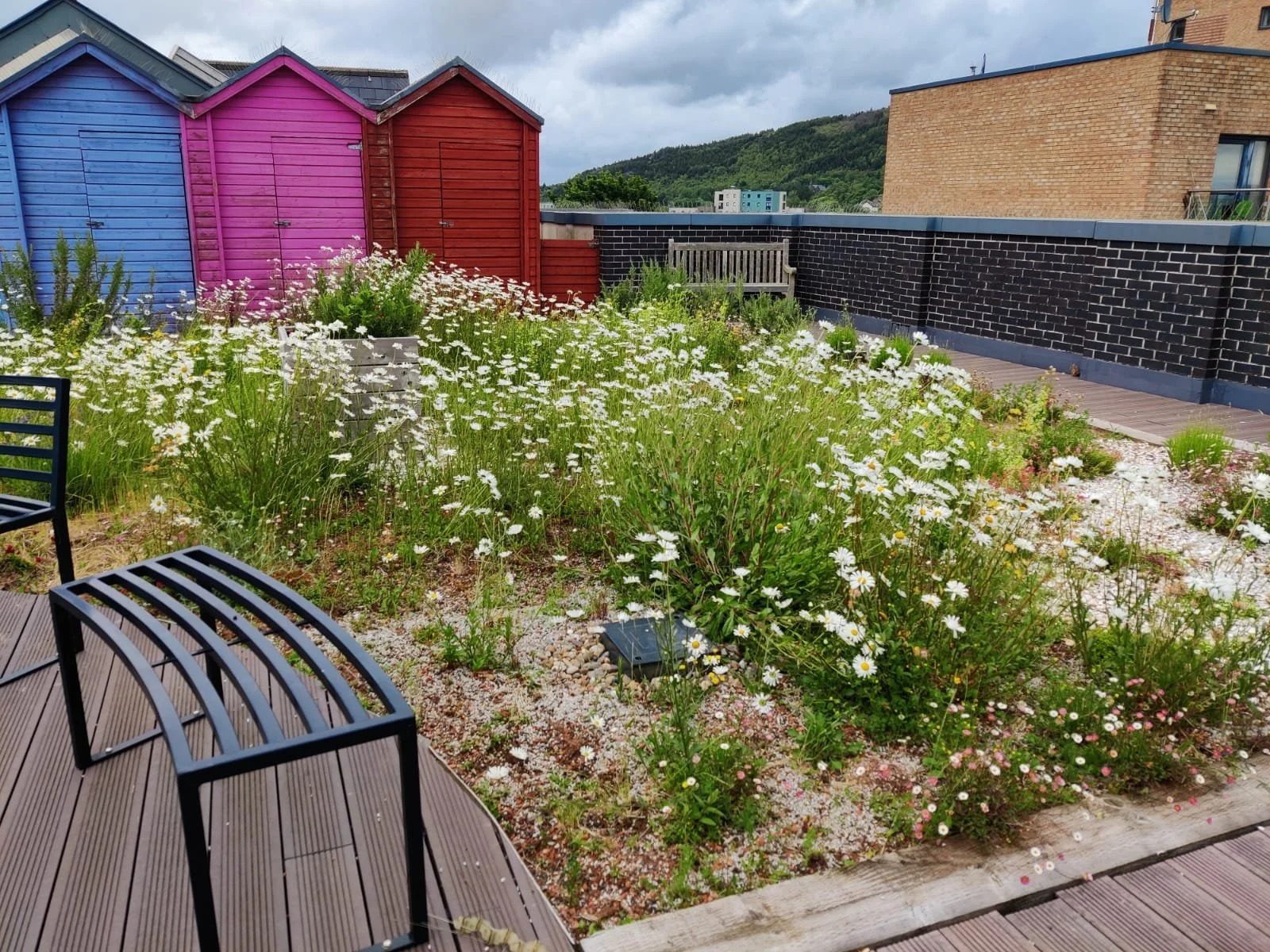
Green Roofs – Biodiverse intensive and extensive roofs across residential, commercial, and public spaces, including Wales’ largest intensive biodiverse roof at Amy Dillwyn Park, Copr Bay.
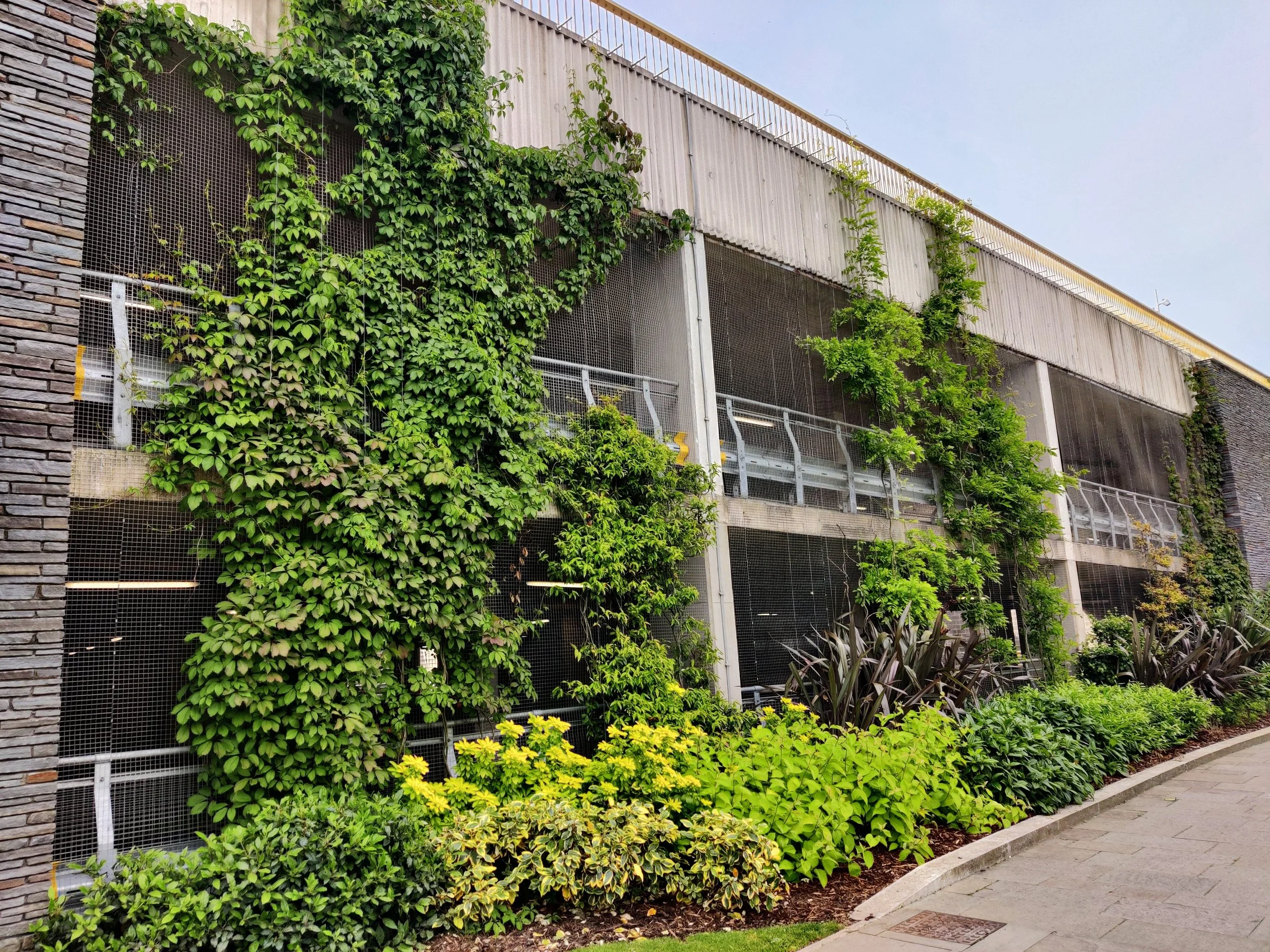
Green Walls – Modular and façade living walls integrated into dense urban environments.
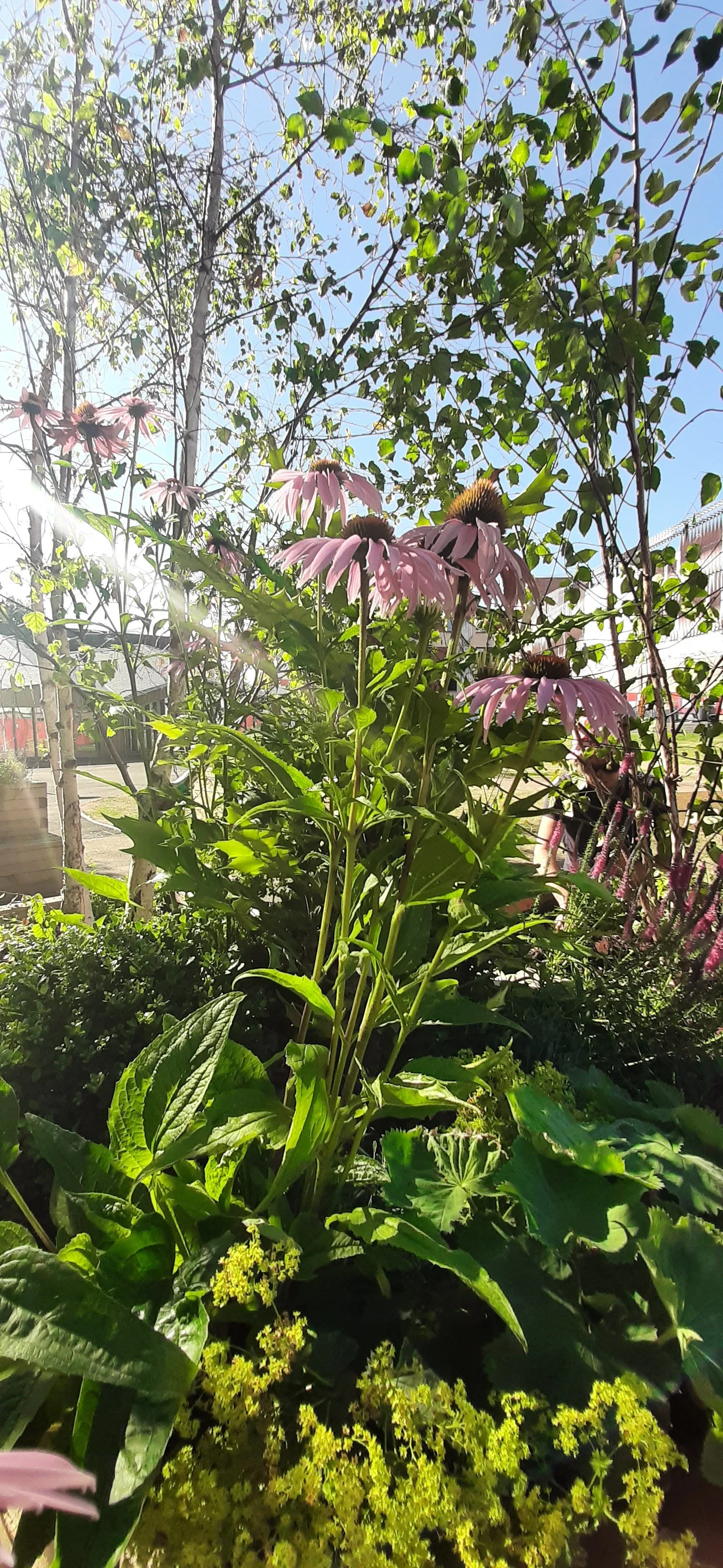
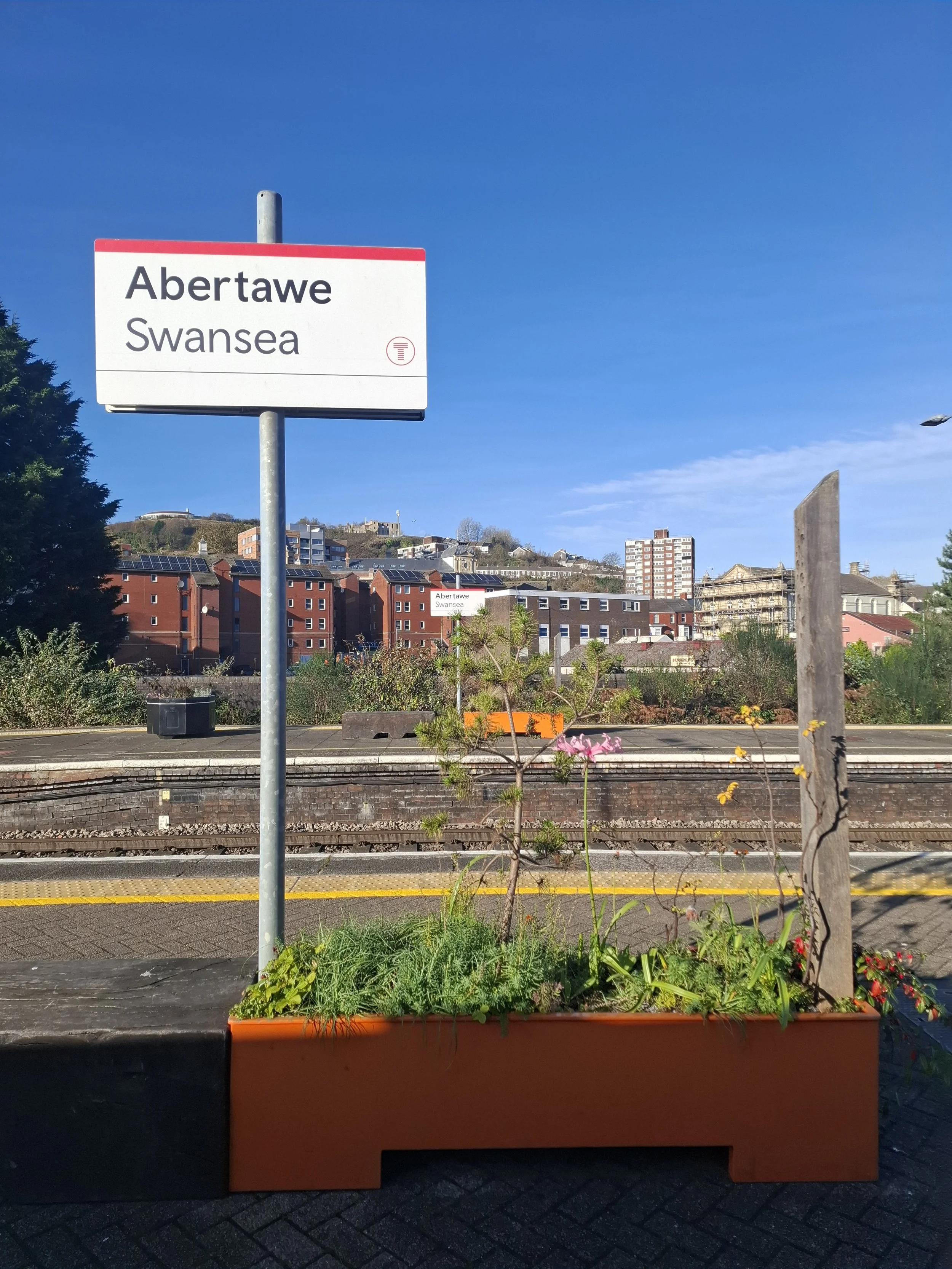
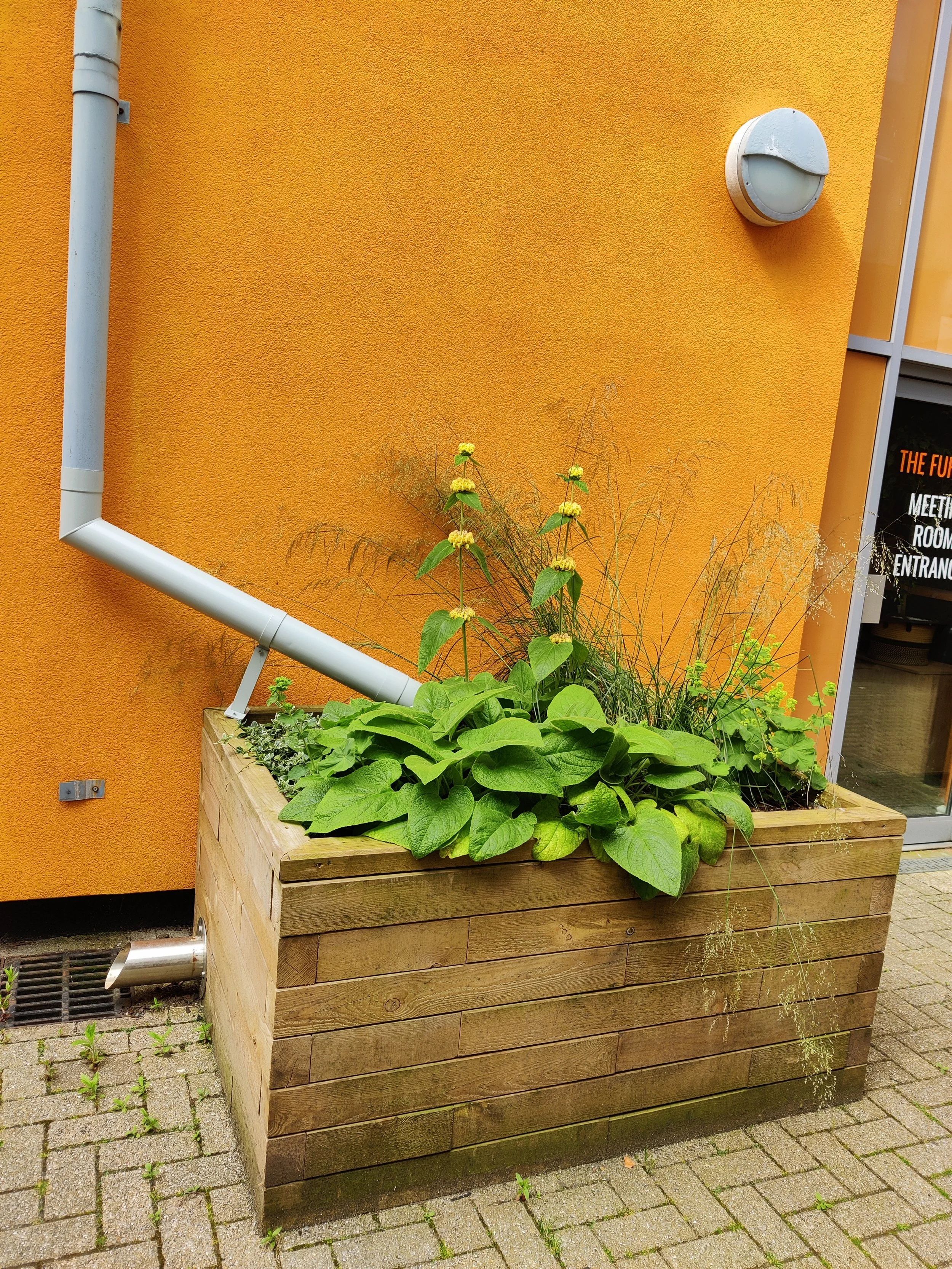
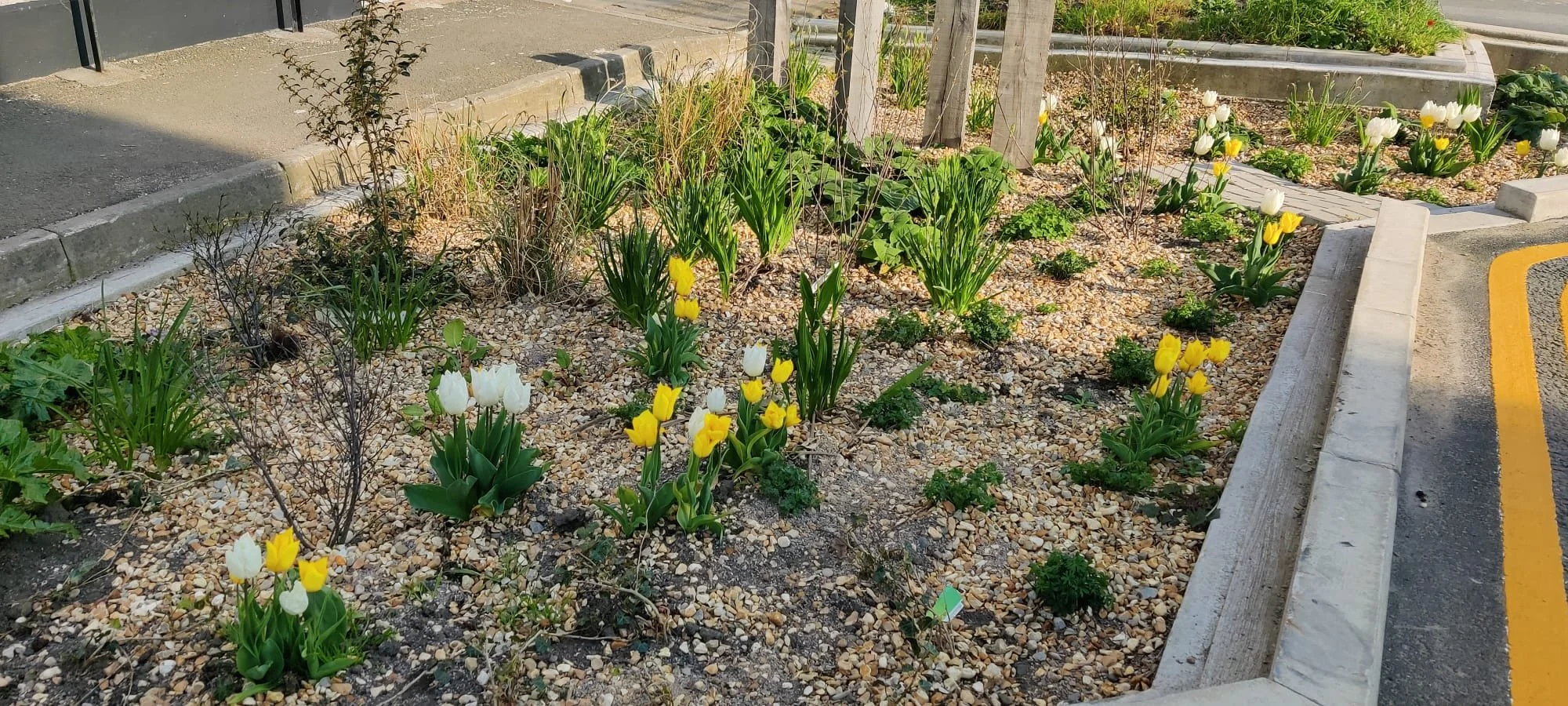
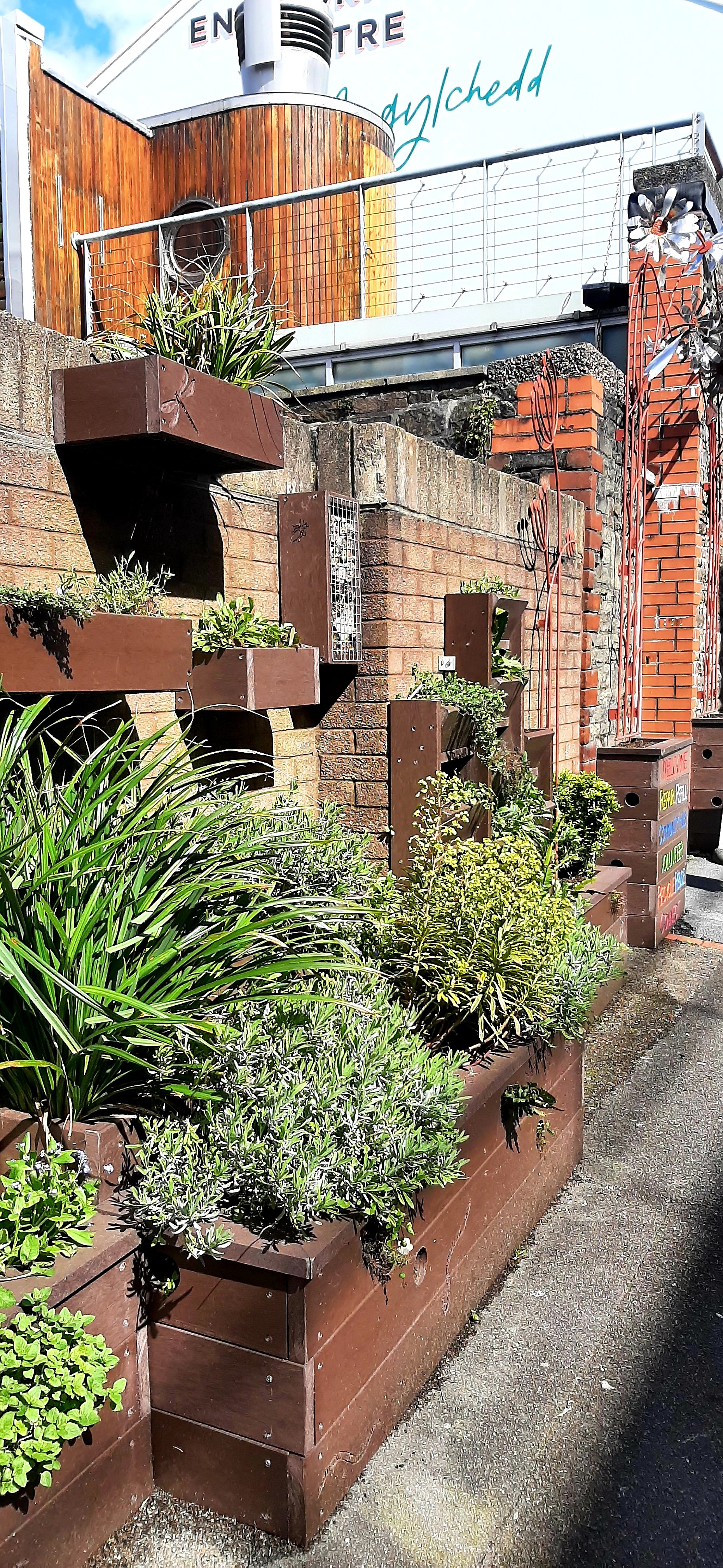
Rain Gardens and Planters – Nature-based drainage systems designed to capture and slow rainwater while increasing urban vegetation and biodiversity.
City Nature Trail – A walking route connecting people with urban nature initiatives across the city.
Community Nature and Green Spaces
Swansea fosters strong connections between people and nature through community-led initiatives and partnerships. The city has been recognised for its contribution to tree planting and nature recovery through the Queen’s Green Canopy initiative.
Highlights include:
Swansea Community Green Spaces Project - Supporting community gardens, wildlife spaces, and food growing initiatives
Community Orchards – Creating and restoring orchards across the county
Coeden Fach Community Tree Nursery – Growing native trees for local planting
Penllergare Valley Woods – Landscape and woodland restoration
Rosehill Quarry Community Wildlife Park – Over 40 years of community stewardship.
Collaboration is strengthened through networks such as Swansea Environmental Forum and the Swansea Local Nature Partnership, alongside public engagement hubs including Swansea Environment Centre and Swansea Community Farm, which promote wellbeing, skills development, and environmental learning.
Local Places for Nature
Through the Welsh Government’s Local Places for Nature programme, volunteers, schools and community groups have helped create rain gardens, sustainable drainage systems, orchards, wildlife habitats, and urban tree planting schemes. These projects improve rivers, wetlands, and pollinator habitats, making Swansea greener, healthier, and more climate resilient.
The Biophilic Village - BIOME
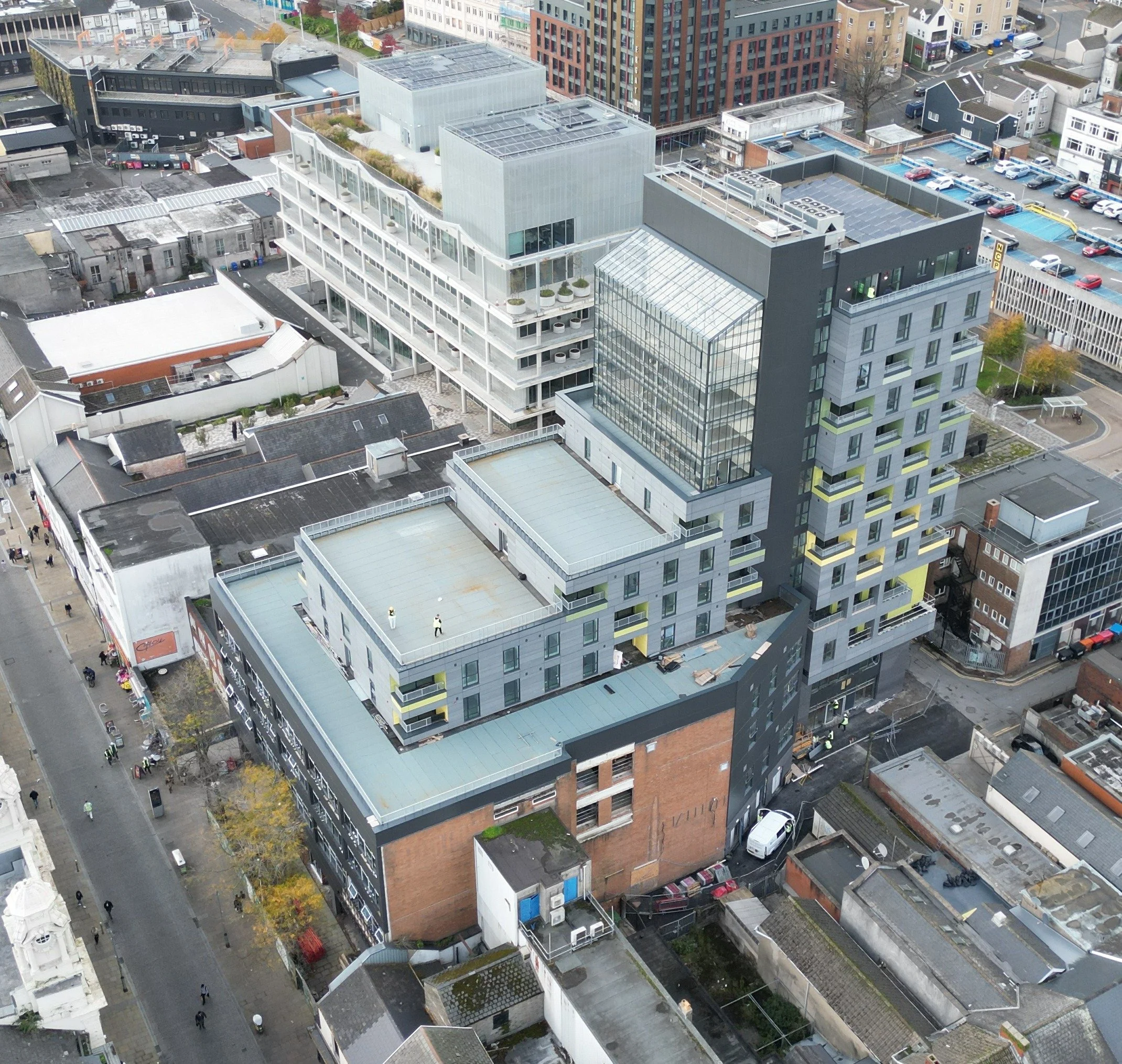
Located in the heart of Swansea, BIOME is a unique biophilic retrofit that integrates green spaces at multiple levels throughout the 13-storey building. Designed as a community-focused development for sustainable urban living, the scheme combines modern energy-efficient homes with shared green spaces and communal areas, bringing nature into the fabric of the building and supporting healthier, more connected urban living.
Retrofitting for the Future: REPAIR Project
The BIOME anchors the REPAIR research project, funded by the Arts and Humanities Research Council, exploring the impact of biophilic retrofitting for climate adaptation. Working with local and international partners, it develops evidence-based pathways for sustainable urban regeneration.
Saving Swansea’s Swifts
Saving Swansea’s Swifts is a joint initiative between Swansea Council and the Gower Ornithological Society, responding to the severe decline of swifts, which are now Red‑Listed in Wales and the UK. The project combines community engagement, volunteer‑led surveys and the installation of swift nesting boxes on public and private buildings across the city, including dense urban areas, to increase breeding opportunities and support the long‑term resilience of this iconic urban species.
Cut and Collect Wildflower Grassland Management Programme
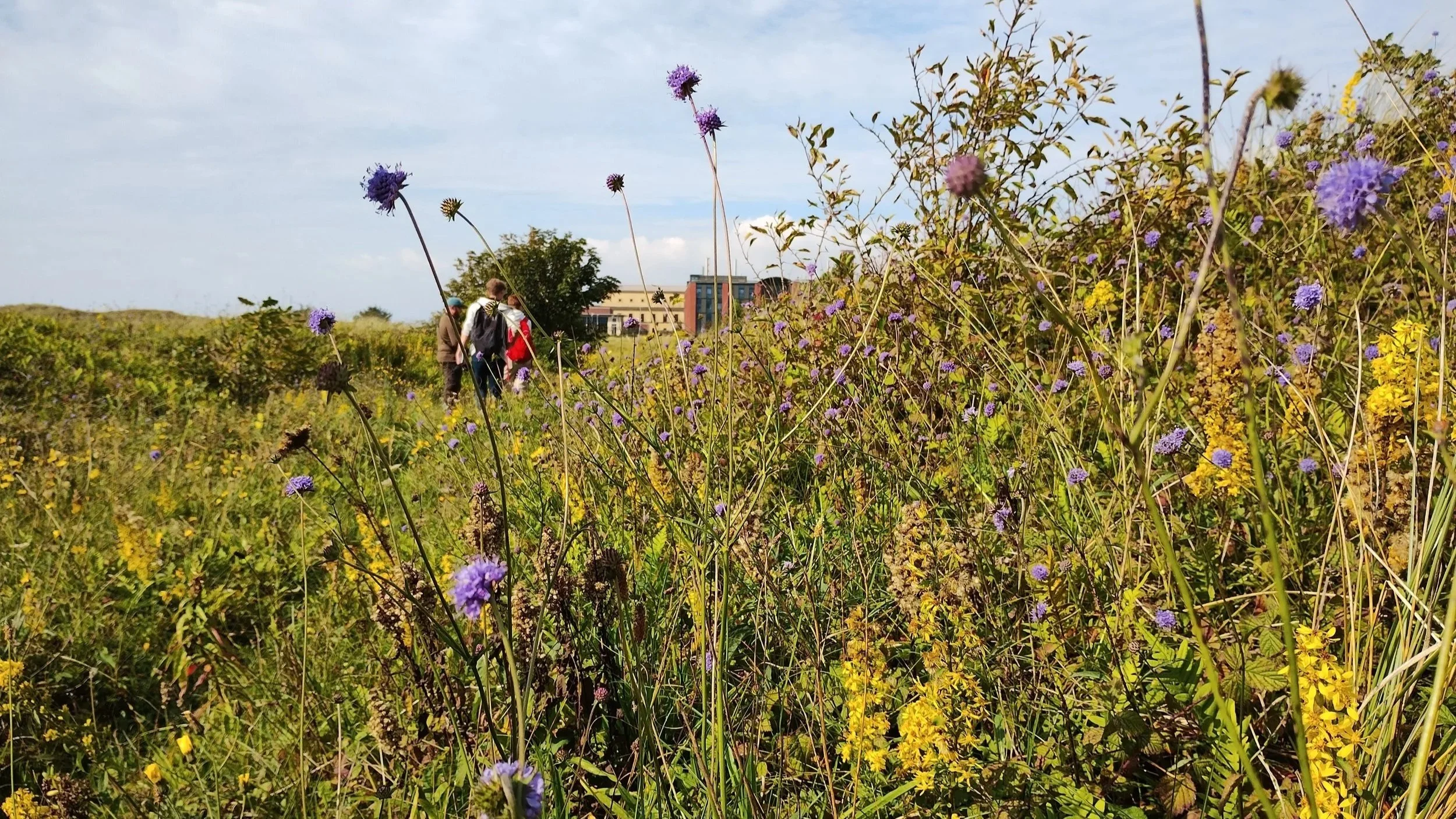
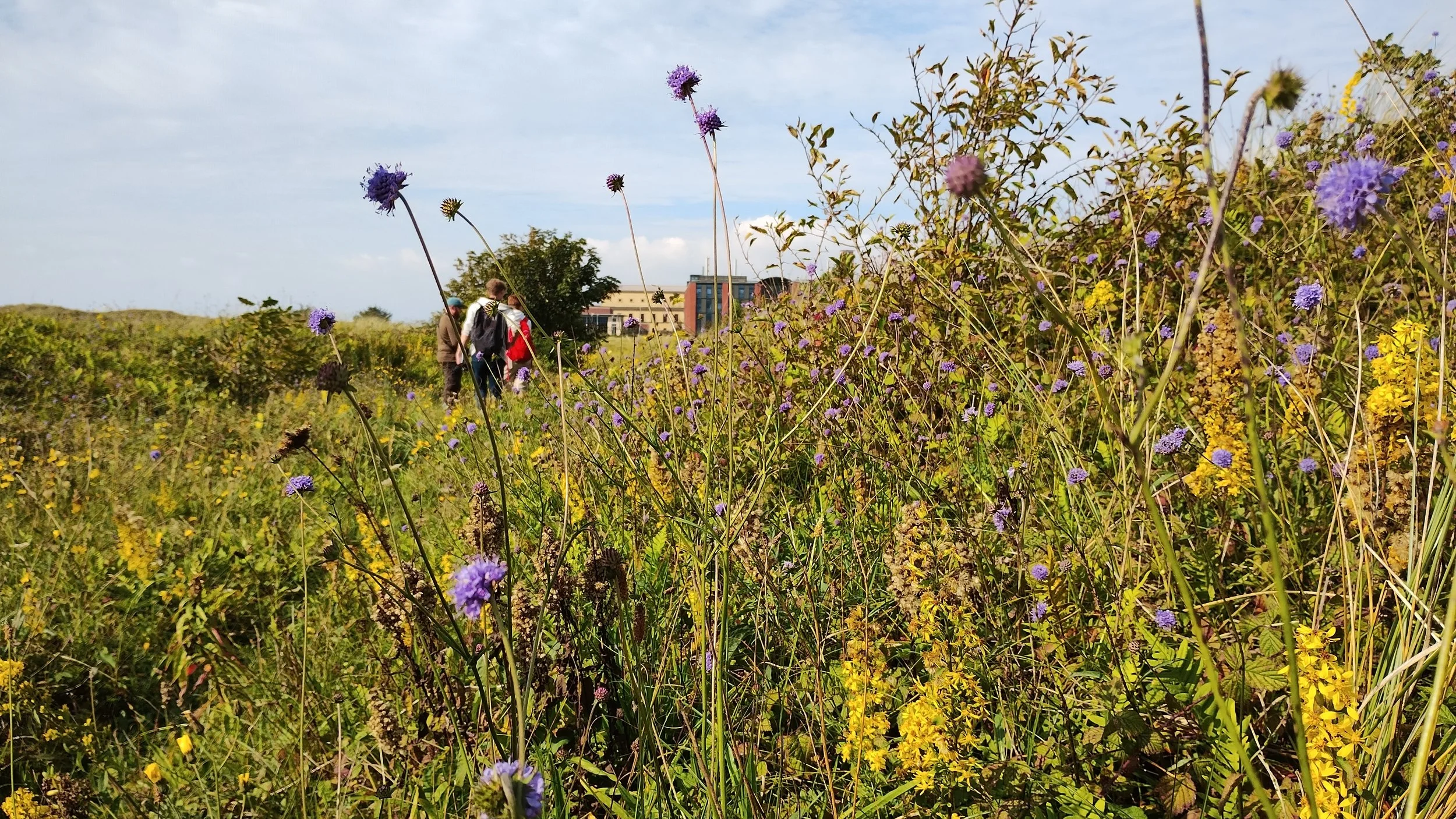
A “cut and collect” grassland management approach is used across Swansea in parks, road verges, open spaces, and university grounds to restore species‑rich wildflower habitats. By cutting at key times and removing grass cuttings, the programme reduces soil fertility, increases floral diversity, supports pollinators and other wildlife, and contributes to climate adaptation by strengthening ecosystem resilience in urban environments.
Swansea Bay Sand Dune Creation – Nature‑Based Coastal Adaptation
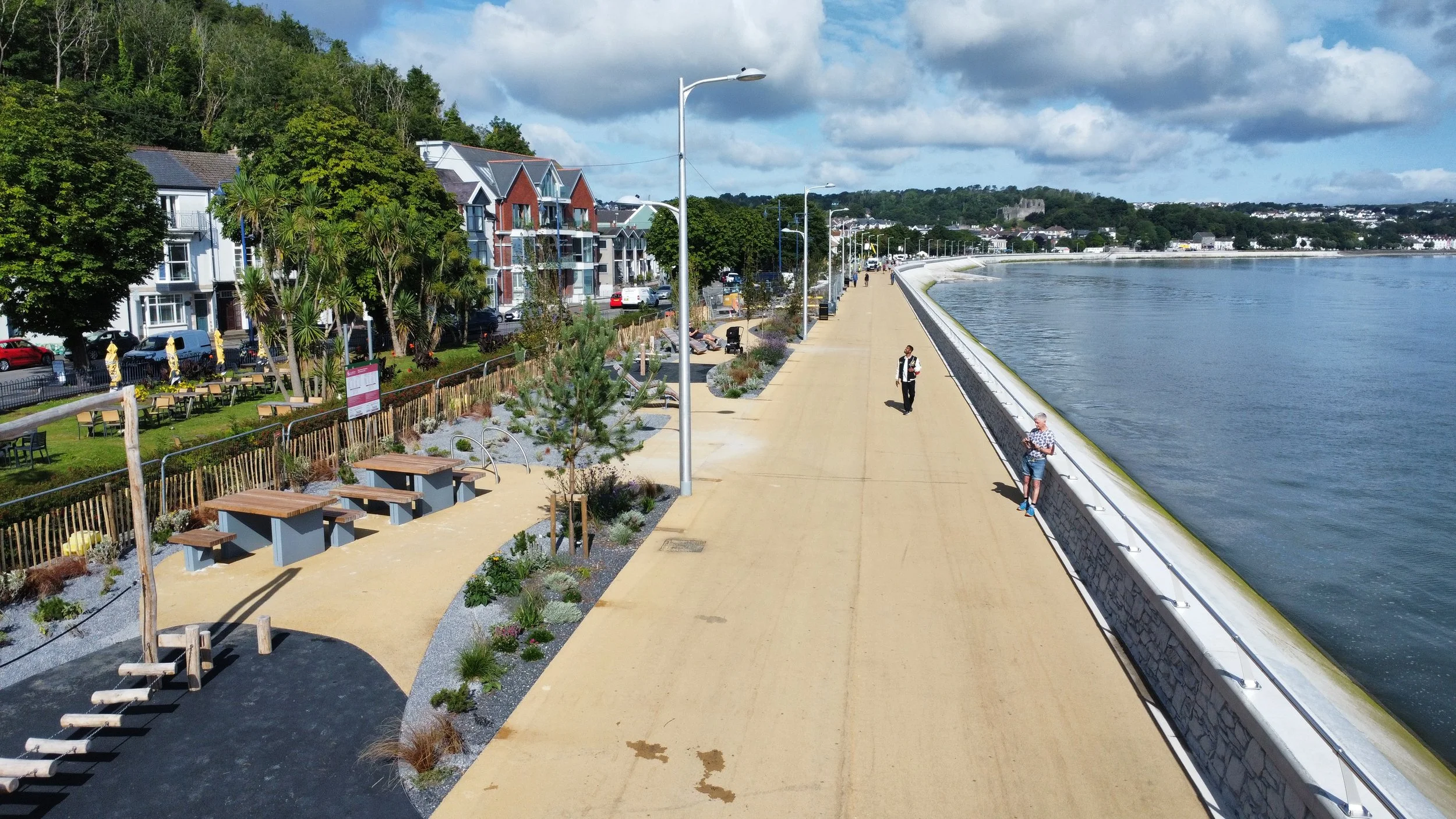
Along Swansea Bay, Swansea Council and Natural Resources Wales are delivering a large‑scale sand dune creation project using chestnut fencing, natural windbreaks, and the planting of dune vegetation. This nature‑based approach helps manage wind‑blown sand, reduce flood and maintenance risks along the seafront, and create new coastal habitats that support biodiversity while helping to protect key city infrastructure.
Further information on these projects and many more can be found via the following links:
Climate change and nature recovery - Swansea Council
South West Wales Area Statement - Natural Resources Wales